
10 Reasons Why Microbiome Diversity Leads to Better Gut Health and Metabolic Flexibility
Understanding our microbiome and its diversity can feel like a complex puzzle, one that holds the key to our overall health. I’ve created this post because I believe everyone deserves to know how a diverse microbiome may improve gut health and enhance metabolic flexibility. With so many trends and fads in health and wellness, it can be daunting to figure out what really matters. By breaking down the science behind microbiome diversity, I aim to simplify these concepts for you.
If you care about gut health, nutrition, or just want to feel your best, this blog is for you. Whether you are a health enthusiast, someone struggling with digestive issues, or just curious about how to boost your well-being, you will find something meaningful here. I’ve gathered ten insightful reasons that highlight how a diverse microbiome supports not just your gut but your entire body.
Get ready to uncover how these tiny organisms can have a significant impact on your life. You’ll learn practical steps to improve your microbiome diversity and tips that can lead to better gut health and metabolic flexibility. It’s time to take charge of your health and well-being!
Key Takeaways
– Microbiome Diversity Matters: A rich variety of gut bacteria is crucial for maintaining a healthy digestive system and overall well-being.
– Supports Digestion: Different types of gut bacteria work together to break down food, helping you absorb nutrients more effectively.
– Boosts Immune Function: A diverse microbiome may strengthen your immune system, helping you stay healthy.
– Enhances Metabolic Flexibility: A varied gut flora helps your body switch between burning fats and carbohydrates, supporting weight management.
– Improves Mental Health: Gut bacteria communicate with your brain, influencing mood and mental well-being, highlighting the connection between gut and mental health.
Contents
- 1. The Role of Gut Bacteria in Digestion
- 2. Enhanced Immune Function
- 3. Better Nutrient Absorption
- 4. Increased Metabolic Flexibility
- 5. Support for Mental Health
- 6. Better Weight Management
- 7. Reduced Inflammation
- 8. Protection Against Allergies
- 9. Improved Longevity
- 10. Steps to Boost Your Microbiome Diversity
1. The Role of Gut Bacteria in Digestion

Gut bacteria are essential players in your digestion, not mere passengers. These tiny microbes reside in your intestines, working tirelessly to break down food particles, which allows your body to absorb nutrients effectively. A diverse microbiome ensures that various bacteria are present to help process different foods, leading to a smoother digestion experience.
In Sonnenburg & Sonnenburg (2019), a review published in Nature Reviews Microbiology, maintained that a diverse gut microbiome was cited as essential for digestive health and metabolic resilience.
When your microbiome lacks diversity, you could face digestive challenges that result in discomfort and inflammation. Imagine your gut as a vibrant marketplace, where each vendor provides unique benefits to your health. From fermenting fibers to synthesizing vitamins, a varied microbiome is vital for breaking down complex foods, particularly fiber-rich and protein-packed options.
Key actions to enhance your gut health:
• Incorporate fermented foods like yogurt, kimchi, and sauerkraut for live cultures.
• Aim to consume at least 30 different plants each week to promote diverse gut bacteria.
These simple dietary changes can lead to significant improvements in your gut health, allowing your body to flourish!
2. Enhanced Immune Function

Your gut houses around 70% of your immune system, making microbiome diversity crucial for immune health. A robust and varied microbiome helps your body effectively identify and respond to pathogens, which may lower the risk of infections. When your gut bacteria thrive, they create a protective barrier against harmful invaders, helping keep your immune system strong.
A diverse microbiome generates metabolites that train your immune system to respond more effectively to threats, enhancing resilience against allergies and autoimmune disorders. The healthier your microbiome, the better equipped your body is to fend off illnesses.
Steps to bolster your immune function:
• Add antioxidant-rich foods like berries and leafy greens to your meals.
• Include prebiotic foods such as onions and garlic to nourish beneficial gut bacteria.
Making these dietary adjustments can lead to a more robust immune system and improved overall health.
3. Better Nutrient Absorption

A diverse microbiome not only aids digestion but also may boost nutrient absorption. Different strains of bacteria collaborate to break down complex nutrients into easily absorbable forms. You might consume all the right foods, but if your gut isn’t balanced, you may not fully benefit from them.
For instance, fiber-rich foods need specific bacteria to ferment them into short-chain fatty acids, which may be essential for energizing your cells. Maintaining microbiome diversity ensures your body can efficiently absorb vitamins and minerals, enhancing your overall vitality.
Key tips for improved nutrient absorption:
• Include healthy fats like avocados and nuts for better absorption of fat-soluble vitamins.
• Don’t skip whole grains, legumes, and fermented foods that encourage a thriving microbiome.
Implementing these straightforward strategies can profoundly impact how you feel every day!
4. Increased Metabolic Flexibility

Metabolic flexibility is your body’s ability to adjust its fuel usage based on your diet. A diverse microbiome plays a vital role in this process, allowing your body to switch between burning carbohydrates and fats as needed. Without a varied microbiome, you may struggle to alternate between these energy sources, leading to feelings of fatigue and sluggishness.
In Cotillard et al. (2013), a study published in Nature, gut microbiome diversity was cited as a key factor influencing metabolic flexibility and energy regulation.
When your gut flora is diverse, it can produce the necessary enzymes to efficiently break down various foods. This flexibility is essential in today’s world, where diverse diets are common.
Tips for enhancing metabolic flexibility:
• Incorporate a mix of macronutrients in each meal for balanced energy.
• Experiment with intermittent fasting or low-carb diets to boost metabolic adaptability.
By nurturing your microbiome diversity, you’ll support your metabolism and elevate your energy levels.
Note: This article may contain affiliate links used to help cover the costs of running this site and creating free health content.
Increased Metabolic Flexibility
Editor’s Choice
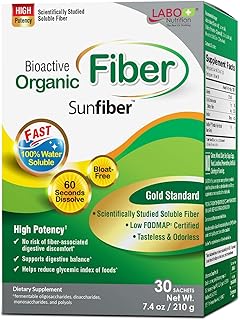
LABO Nutrition Bioactive Organic Fiber – Sunfiber PHGG Soluble Prebiot…
 Amazon$30.42
Nutrition Cookbook: The best recipes for diseases and ailments that leav…
Amazon$22.52
Blackmores Probiotics+ Daily Health | Maintains Intestinal Health & Rest…
Amazon$19.795. Support for Mental Health

Your gut health has a significant impact on your mental well-being. The gut-brain connection reveals how microbiome diversity can affect mood and behavior. Beneficial gut bacteria produce neurotransmitters like serotonin, which may be essential for regulating mood and anxiety levels.
A diverse microbiome generates a wider range of these beneficial compounds, potentially reducing stress and promoting mental clarity. Embracing a diet rich in diverse microbes may be just what you need to uplift your spirits!
Steps to support mental health:
• Add omega-3 rich foods like fatty fish and chia seeds to your diet for brain support.
• Include probiotics and prebiotics in your meals to enhance gut flora and mood.
Taking these simple steps can lead to improved mental health and greater emotional resilience.
6. Better Weight Management

Microbiome diversity plays a critical role in weight management. Certain gut bacteria influence how your body stores fat and regulates appetite. A balanced microbiome can facilitate weight loss and prevent weight gain by breaking down complex carbohydrates and producing beneficial fatty acids. If your microbiome lacks diversity, shedding extra pounds may become more challenging.
In Menni et al. (2017), a study published in the International Journal of Obesity, gut microbiome diversity was negatively associated with long‑term weight gain and positively correlated with fiber intake, linking microbial diversity and weight outcomes. (nature.com)
Key actions for effective weight management:
• Focus on a whole foods diet low in processed items to support your microbiome.
• Engage in regular physical activity to further enhance gut health.
By adopting these lifestyle changes, managing your weight can become much easier.
Note: This article may contain affiliate links used to help cover the costs of running this site.
Better Weight Management
Editor’s Choice


The Food For Life Cookbook: 100+ Recipes Created with ZOE
Amazon$38.78
Prebiotic Fiber Supplement 5-in-1 Capsules – Natural Flow 5X Fiber XOS, …
Amazon$44.567. Reduced Inflammation

Chronic inflammation is a hidden driver behind numerous health issues, including heart disease and diabetes. A diverse microbiome may help mitigate this by regulating the immune response and producing anti-inflammatory compounds. When your gut flora is balanced, it can effectively communicate with your immune system, minimizing unnecessary inflammatory reactions.
With less inflammation, you may experience fewer health problems and overall better well-being. This is particularly beneficial for individuals with conditions like IBS or autoimmune diseases, where inflammation often plays a significant role.
Tips to reduce inflammation:
• Focus on anti-inflammatory foods like leafy greens, berries, and fatty fish to boost gut health.
• Limit processed foods and refined sugars that can disrupt gut bacteria balance.
Implementing these changes can lead to a healthier, more balanced body.
8. Protection Against Allergies

Emerging research indicates that microbiome diversity may influence allergic responses. A healthy variety of gut bacteria helps train your immune system to react appropriately to allergens, potentially reducing the severity and frequency of symptoms. Early exposure to a diverse microbiome, especially during childhood, can lessen the likelihood of developing allergies later in life.
In Arrieta et al. (2015), a study published in Science Translational Medicine, early-life gut microbiome diversity was cited as playing a key role in reducing the risk of developing allergic diseases.
Tips for fostering a diverse microbiome:
• Encourage a fiber-rich diet with whole foods to support gut diversity.
• Include fermented foods to maintain gut health and bolster immunity.
These practices can lead to fewer allergic reactions and a more vibrant, healthier life.
9. Improved Longevity

Microbiome diversity is linked to longevity, suggesting that a wide variety of gut bacteria can promote a longer, healthier life. Studies show that individuals with diverse gut flora often enjoy lower mortality rates and better overall health as they age. The benefits stem from improved metabolic functions and a stronger immune system supported by a balanced microbiome.
In O’Toole & Jeffery (2015), a review published in Nature Reviews Gastroenterology & Hepatology, gut microbiome diversity was cited as a factor associated with healthier aging and increased lifespan.
By intentionally nurturing your microbiome, you may enhance your longevity and quality of life.
Key steps for enhancing gut health:
• Embrace a diet rich in colorful, nutrient-dense foods to support microbiome health.
• Incorporate regular physical activity to help maintain gut balance.
These small changes can lead to a more fulfilling life journey!
10. Steps to Boost Your Microbiome Diversity

Ready to make a change? Here are practical steps to improve your microbiome diversity:
– Incorporate variety: Focus on a wide range of fruits, vegetables, grains, and proteins for a colorful plate.
– Add fermented foods: Include yogurt, kefir, kombucha, and kimchi in your meals.
– Create a garden: Growing your own herbs and vegetables can expose you to diverse microbes.
– Consider probiotics: A quality probiotic supplement can help balance your gut.
– Limit processed foods: Cut back on sugary and processed items that can harm your gut flora.
Implementing these tips will not only enhance your gut health but also improve your metabolic flexibility. Enjoy the journey toward a healthier you!
Conclusion

Microbiome diversity is more important than we often realize. By embracing a varied diet rich in whole foods, fermented items, and colorful fruits and vegetables, you can enhance your gut health and promote metabolic flexibility.
The benefits are profound, potentially leading to improved digestion, better immune function, and even enhanced mental well-being. Take steps today to nurture that inner ecosystem, and watch how it transforms your life for the better!


